Walking pads have become a popular way to stay active while working from home. They’re compact, quiet, and easy to store under a desk or bed. But like any treadmill-style equipment, they sometimes develop small mechanical issues over time.
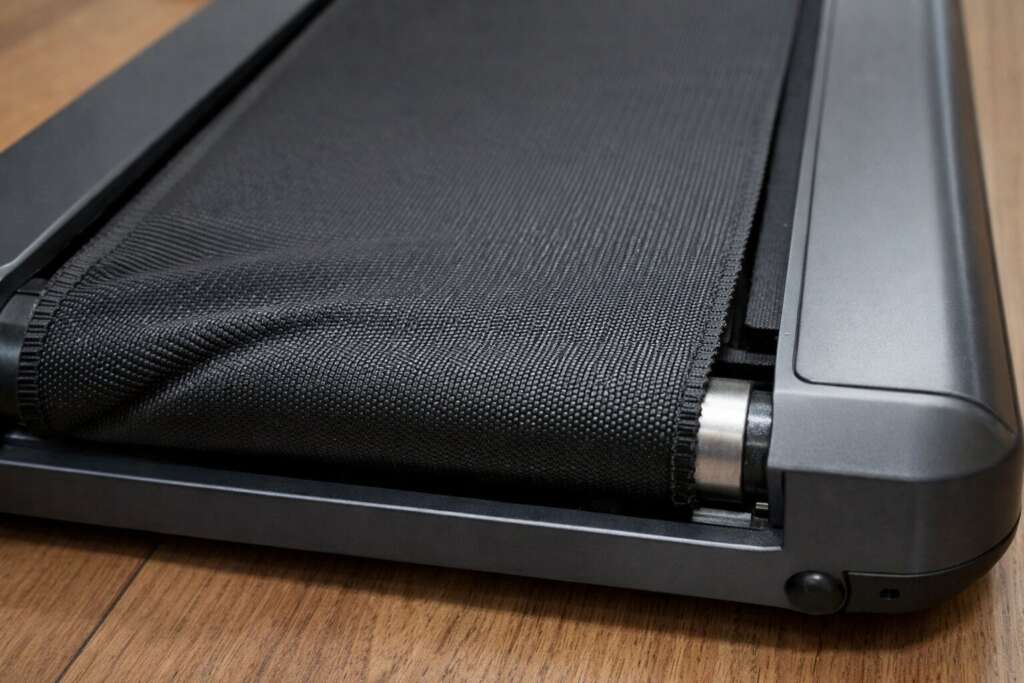
One of the most common complaints users report is the walking pad belt slipping while walking. Instead of moving smoothly, the belt may hesitate, slide backward slightly, or feel unstable under your feet.
In some cases, persistent belt slipping can also happen when a walking pad is pushed close to its maximum weight capacity for long periods. Choosing a machine designed for heavier loads can make a noticeable difference in durability, which is why we tested several options in our guide to the best walking pads for heavy people.
The good news is that most belt slipping problems are easy to fix at home with a few adjustments.
In this guide, we’ll cover:
- Why walking pad belts slip
- How to fix the problem step-by-step
- How to prevent it from happening again
- When the issue indicates a bigger problem

What Does a Slipping Walking Pad Belt Feel Like?
A slipping belt usually shows up in subtle ways at first.
You might notice:
A slight jerk or pause when stepping forward
The belt momentarily sliding under your feet
Inconsistent walking speed even though the motor is running
Sometimes users describe it as feeling like the belt is “lagging behind” their step.
This usually happens when belt tension, lubrication, or weight load is not properly balanced.
If you’re unsure whether your walking pad can handle your body weight comfortably, understanding the actual walking pad weight limit and how manufacturers determine it can help avoid several mechanical issues before they start.
Why Walking Pad Belts Start Slipping
There isn’t always a single cause. Most of the time it’s a combination of wear, load stress, and maintenance habits.
Below are the most common reasons.
1. Loose Belt Tension
The most frequent cause of slipping is insufficient belt tension.
Walking pad belts rely on proper tension between the front and rear rollers. When the belt loosens slightly, it can no longer grip the rollers properly.
Signs of loose tension include:
Belt slides when stepping down
Delayed movement when starting
Uneven walking rhythm
Fortunately, tightening the belt is usually a simple adjustment.
2. Lack of Lubrication
Walking pads rely on silicone lubrication between the belt and deck to reduce friction.
Without enough lubrication:
Friction increases
The motor works harder
The belt movement becomes inconsistent
Over time this can lead to slipping or jerky motion.
Manufacturers typically recommend lubricating the belt every 30–60 hours of use.
3. Heavy Load on the Motor
Walking pads are compact machines with smaller motors than traditional treadmills.
When used near their maximum weight capacity for extended periods, the motor may struggle to maintain consistent belt speed.
This can cause:
Belt hesitation
Motor overheating
Belt slipping
If your walking pad starts getting unusually warm during longer sessions, it may be dealing with motor strain rather than just belt tension, which is a common issue with compact walking pads. Here’s how to Stop Your Walking Pad from Overheating
4. Belt Misalignment
Sometimes the belt isn’t centered on the rollers.
Misalignment can cause:
Uneven belt friction
One side of the belt dragging
Slipping during movement
This typically happens after long use or if the walking pad is stored vertically or moved frequently.
5. Worn Belt or Deck
Over time, the walking surface itself can wear down.
This is more common in lower-cost walking pads where materials are thinner.
Signs include:
Belt thinning
Visible wear marks
Persistent slipping even after adjustments
At this point, replacing the belt may be the only long-term solution.
How to Fix a Walking Pad Belt That Keeps Slipping
Most slipping issues can be solved with a few basic adjustments.
Follow these steps in order.
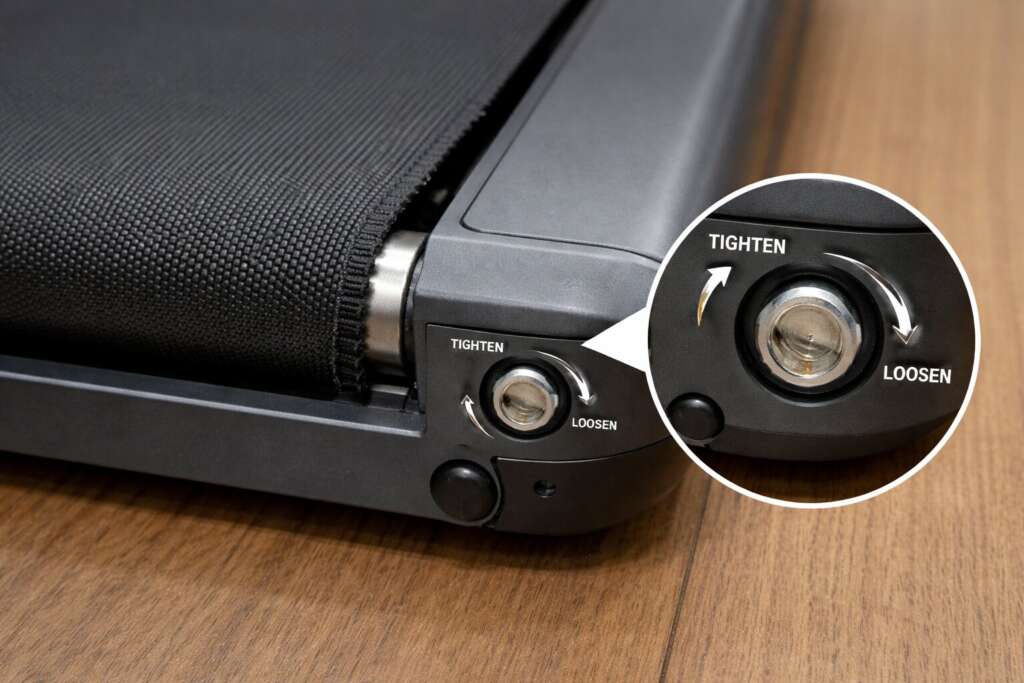
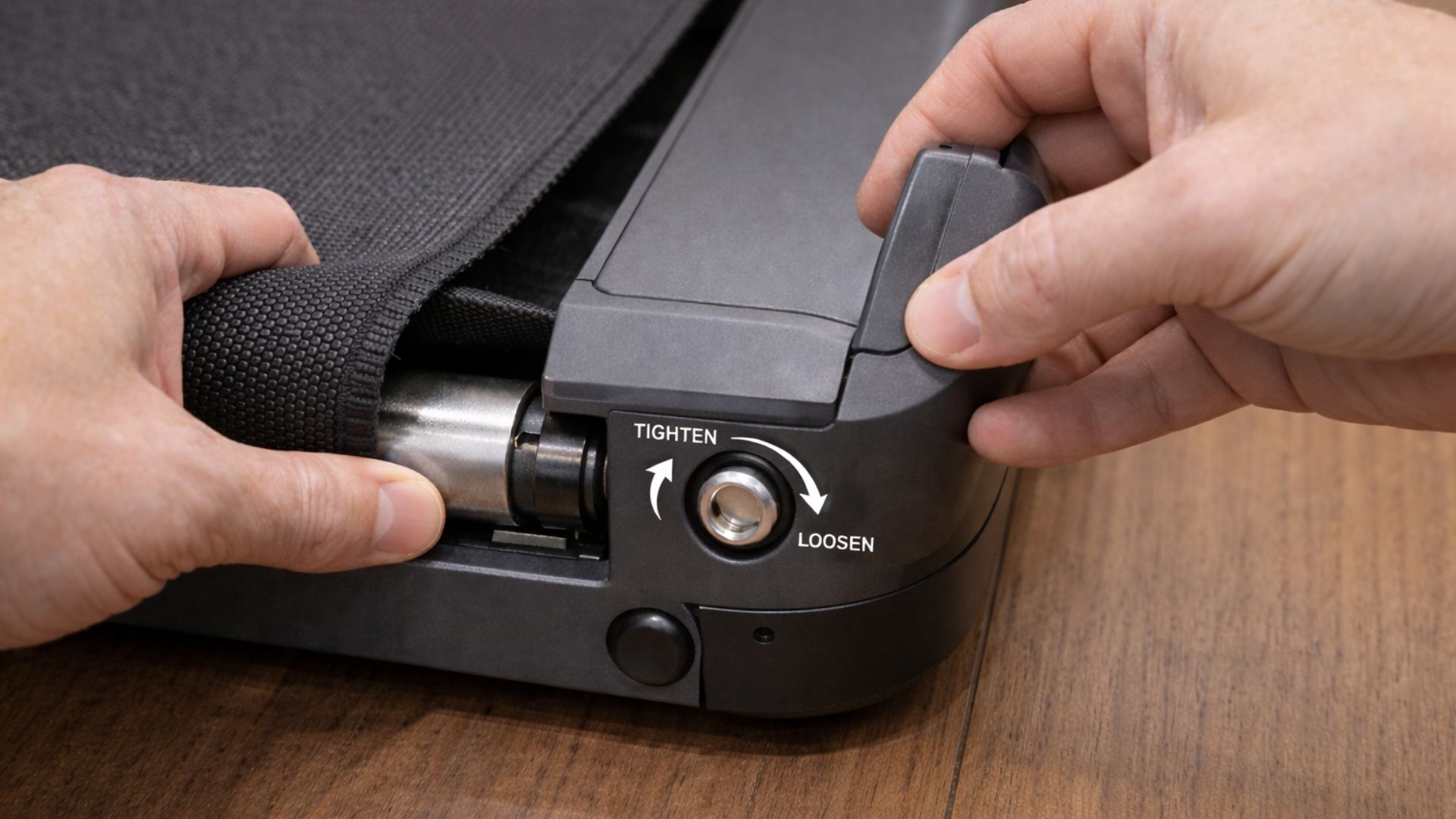
Step 1: Tighten the Rear Roller Bolts
Most walking pads include two adjustment bolts at the back of the machine.
These control belt tension.
How to adjust:
Turn the machine off and unplug it.
Locate the adjustment bolts at the rear.
Turn both bolts ¼ turn clockwise.
Test the walking pad again.
Important: Always tighten both sides evenly to keep the belt centered.
Step 2: Check Belt Alignment
Run the walking pad at a slow speed.
Observe the belt:
If it drifts left → tighten the left adjustment bolt slightly.
If it drifts right → tighten the right bolt.
Small adjustments usually solve the issue.
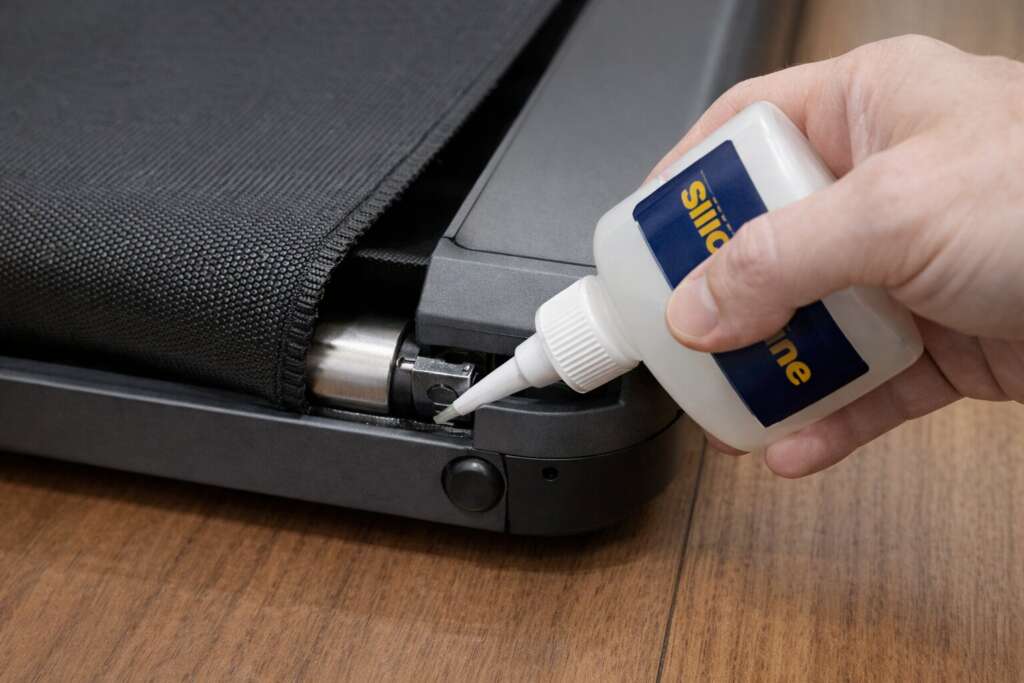
Step 3: Lubricate the Walking Pad Belt
If the belt feels dry or resistant, lubrication may be the real fix.
To lubricate:
Lift the belt slightly.
Apply silicone lubricant along the deck.
Walk slowly for a few minutes to distribute it evenly.
This reduces friction and improves belt grip.
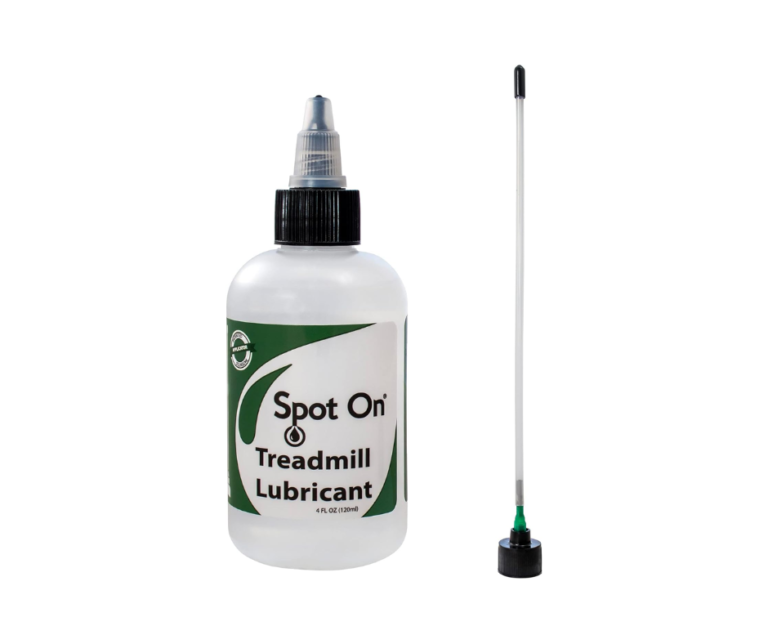
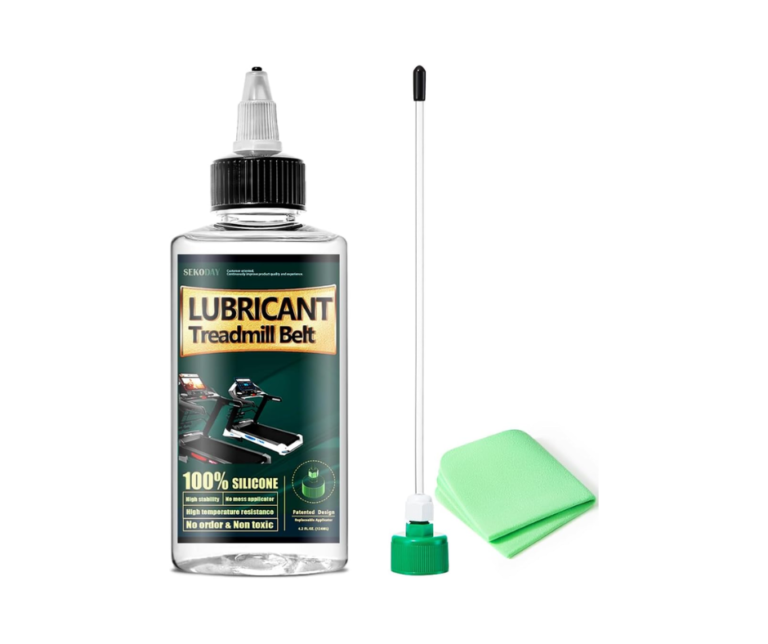
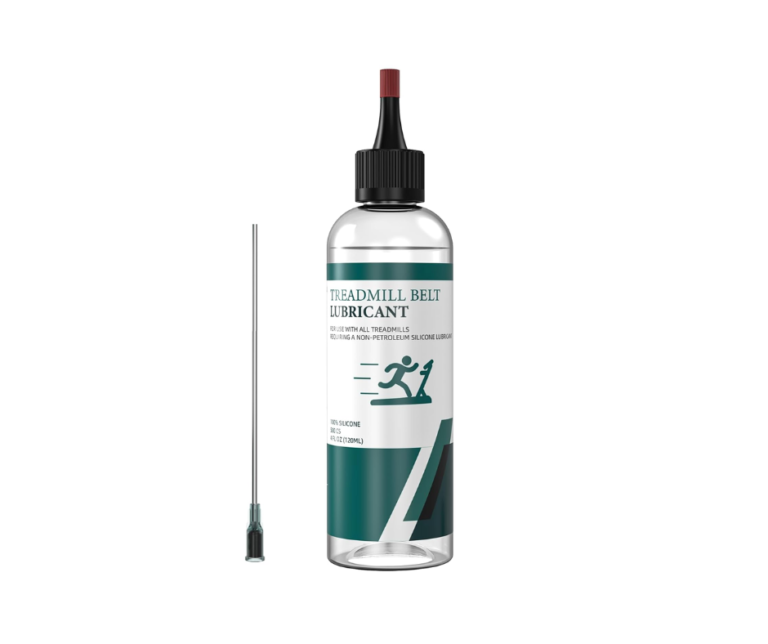
Recommended Maintenance Tools
If you use a walking pad regularly, having a few maintenance items on hand can make a big difference.
Preventing Walking Pad Belt Slipping
Preventative maintenance can eliminate most issues before they start.
Here are a few simple habits.
1. Stay Within Recommended Weight Limits
Compact walking pads perform best when used within their realistic load capacity.
If the machine is constantly operating near its limit, the motor and belt experience more strain.
Choosing a walking pad built for higher capacity users can significantly reduce long-term wear.
2. Lubricate the Belt Regularly
Lubrication is the most overlooked maintenance step.
Regular lubrication:
Reduces friction
Protects the motor
Keeps belt motion smooth
Many manufacturers recommend lubricating every 4–6 weeks depending on usage.
3. Keep the Walking Pad Clean
Dust and debris can build up under the belt.
Cleaning the deck periodically prevents friction buildup and extends belt life.
When Belt Slipping Means It’s Time to Replace the Walking Pad
Sometimes belt slipping is a sign that the machine itself is reaching the end of its lifespan.
You may want to replace the walking pad if:
Slipping continues after adjustments
The motor frequently overheats
The belt shows visible wear
The machine struggles under normal use
In those cases, upgrading to a more durable walking pad with stronger motor support may be the better option.
Final Thoughts
A slipping walking pad belt can feel frustrating, but in most cases the fix is surprisingly simple.
By checking:
Belt tension
Lubrication levels
Alignment
you can usually restore smooth performance in just a few minutes.
Regular maintenance also helps prevent motor strain and prolongs the life of your walking pad, allowing you to keep your daily walking routine uninterrupted.