
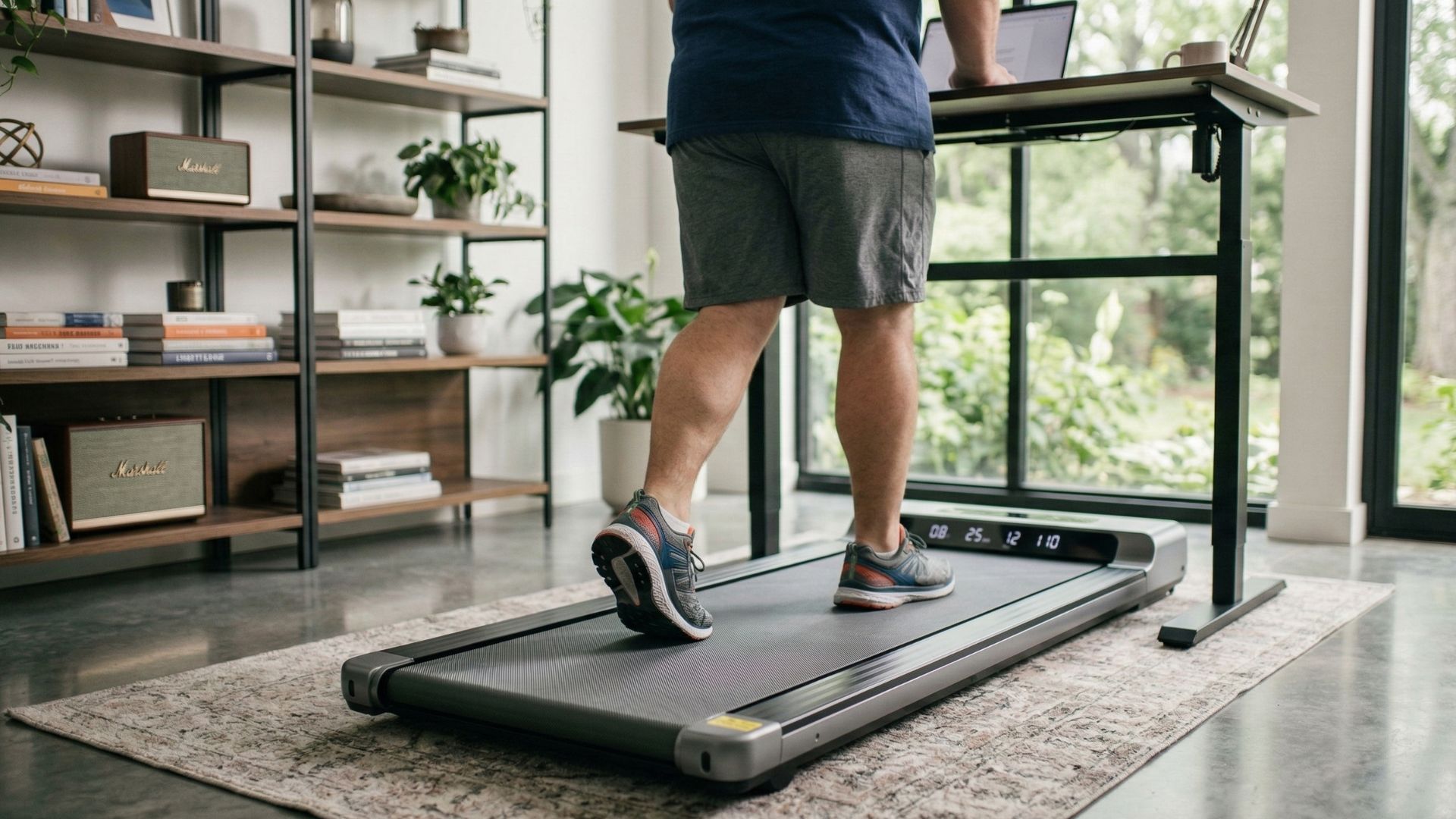
Walking pads are becoming one of the most popular ways to stay active while working from home. They’re compact, quiet, and easy to slide under a desk.
But if you’re a heavier user, one question matters more than anything else:
What is the actual walking pad weight limit?
Most walking pads advertise weight capacities between 220 lbs and 300 lbs, but that number alone doesn’t tell the full story. Motor strength, belt size, and frame quality all determine whether the machine will actually perform well under heavier loads.
In this guide, we’ll break down:
The real walking pad weight capacity
Whether a walking pad can handle 300 lbs
What happens when you exceed the limit
How to choose a walking pad designed for heavy users
If you weigh closer to the upper end of most walking pad limits, choosing the right model becomes important. We’ve already reviewed several options in our guide to walking pads built for heavier users.
What Is the Typical Walking Pad Weight Limit?
Most walking pads support between 220 lbs and 265 lbs.
However, newer models designed for durability can handle 300 lbs or more.
Typical ranges:
| Walking Pad Type | Weight Capacity |
|---|---|
| Entry-level walking pads | 220 lbs |
| Standard walking pads | 250–265 lbs |
| Heavy-duty walking pads | 300 lbs |
The limit is determined by three main components:
Motor power
Frame strength
Belt width
If any of these are weak, the machine will struggle under heavier users.
Can a Walking Pad Handle 300 lbs?
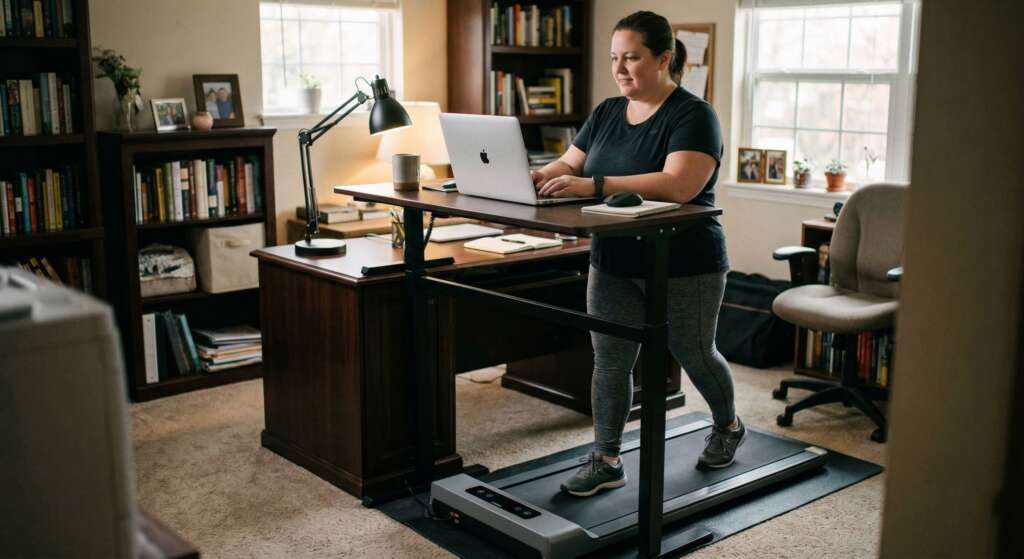
Yes. Some walking pads can handle 300 lbs, but not all models are built for that level of stress.
Heavy users should look for:
Motor power: at least 2.5 HP
Wide belt: 16 inches or more
Strong steel frame
Cheaper walking pads with weaker motors tend to overheat or slow down when used by heavier individuals.
If you want to avoid these issues, we recommend checking our curated list of walking pads designed specifically for higher weight capacity users.
What Happens If You Exceed the Weight Limit?
Exceeding the recommended weight limit doesn’t usually break the walking pad immediately. Instead, it causes progressive damage over time.
Common problems include:
1. Motor Overheating
When the motor works harder than it should, it generates excess heat.
If you’ve noticed this issue already, you might find our troubleshooting guide helpful: how to stop a walking pad from overheating
2. Belt Slippage
A heavier load puts extra pressure on the walking belt.
Over time this can cause:
belt misalignment
slipping during walking
uneven wear
3. Reduced Motor Lifespan
The motor is the most expensive component of any walking pad.
Using the device beyond its intended capacity forces the motor to constantly operate near maximum load, shortening its lifespan.
According to the American Council on Exercise, maintaining proper equipment load limits is critical to prevent mechanical wear and injury during exercise.
Recommended Walking Pad for Higher Weight Capacity
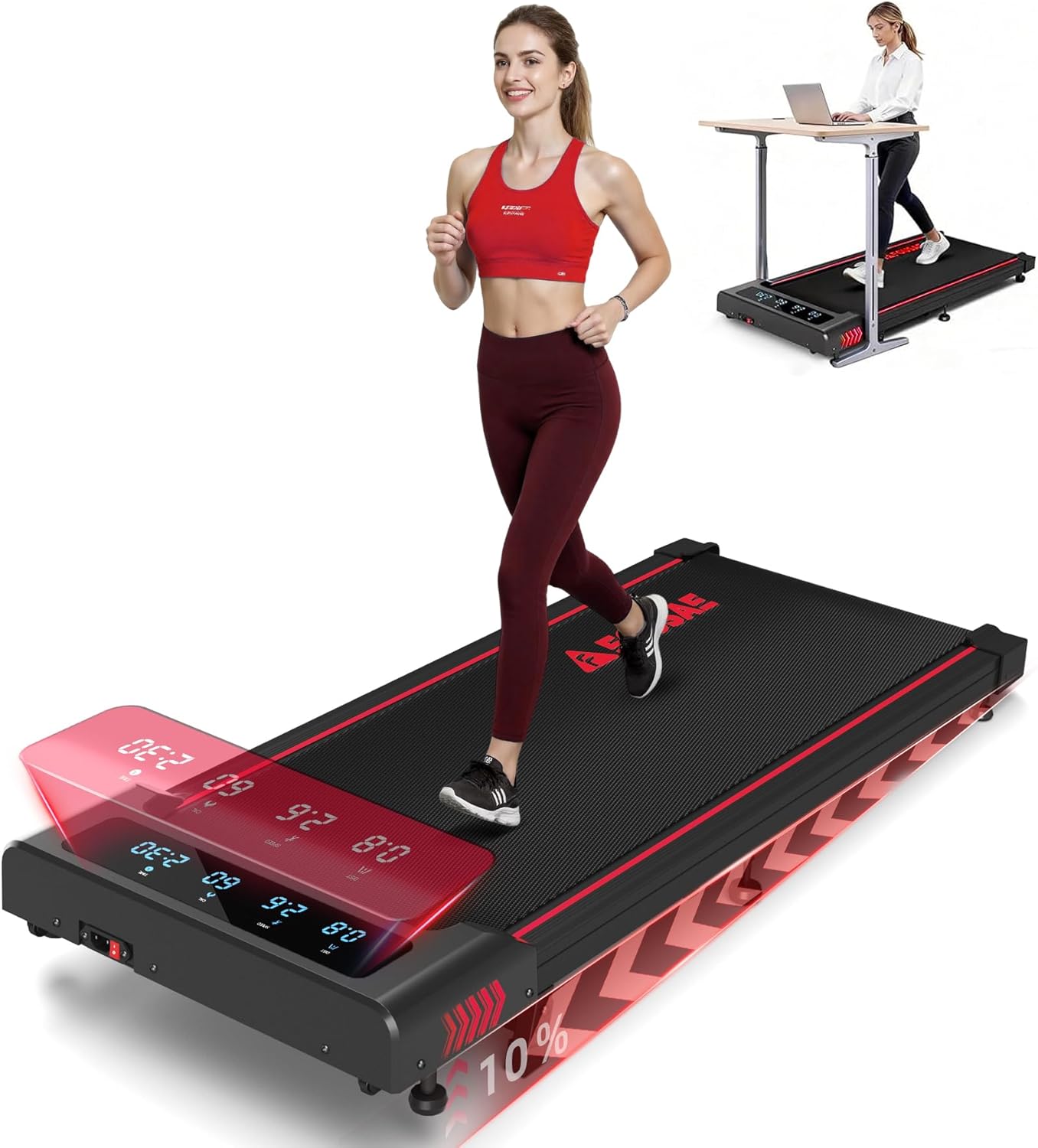
For users close to the 300 lb range, choosing a walking pad designed for heavier loads is essential.


Are Walking Pads Safe for Overweight Users?
Yes. walking pads can be a safe and effective way to stay active, especially for people who prefer low-impact exercise.
Walking burns calories without placing excessive stress on joints.
Research published by the Mayo Clinic highlights that regular walking can significantly improve cardiovascular health and support weight management.
For heavier individuals, the key is choosing a walking pad with the right motor strength and weight capacity.
Walking Pad vs Treadmill Weight Capacity
Traditional treadmills typically support higher weight limits.
| Equipment | Typical Weight Limit |
|---|---|
| Walking pad | 220–300 lbs |
| Full treadmill | 300–400 lbs |
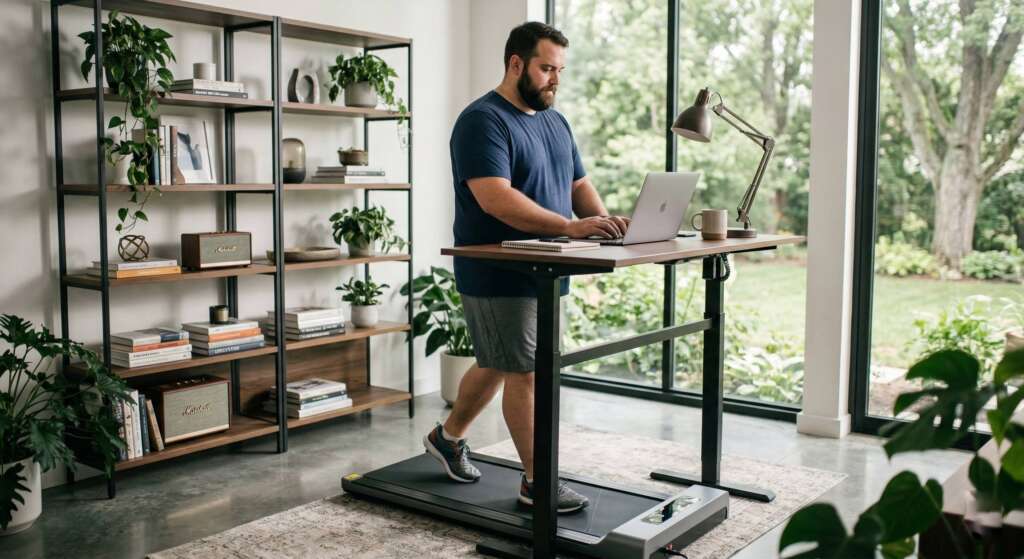
However, walking pads remain ideal for:
Home offices
Small apartments
Light daily activity
They offer convenience without taking up the space of a full treadmill.
Final Thoughts
Walking pads are an excellent solution for staying active while working or relaxing at home.
But if you’re a heavier user, choosing the right model is essential to avoid overheating, belt damage, or motor strain.
Always check:
Motor power
Belt width
Maximum weight capacity
If you want to see walking pads that are specifically built to support heavier users, check out our complete guide here, best walking pads for heavy people
Pingback: 5 Best Walking Pads for Heavy People (300lb+ Capacity Tested) |